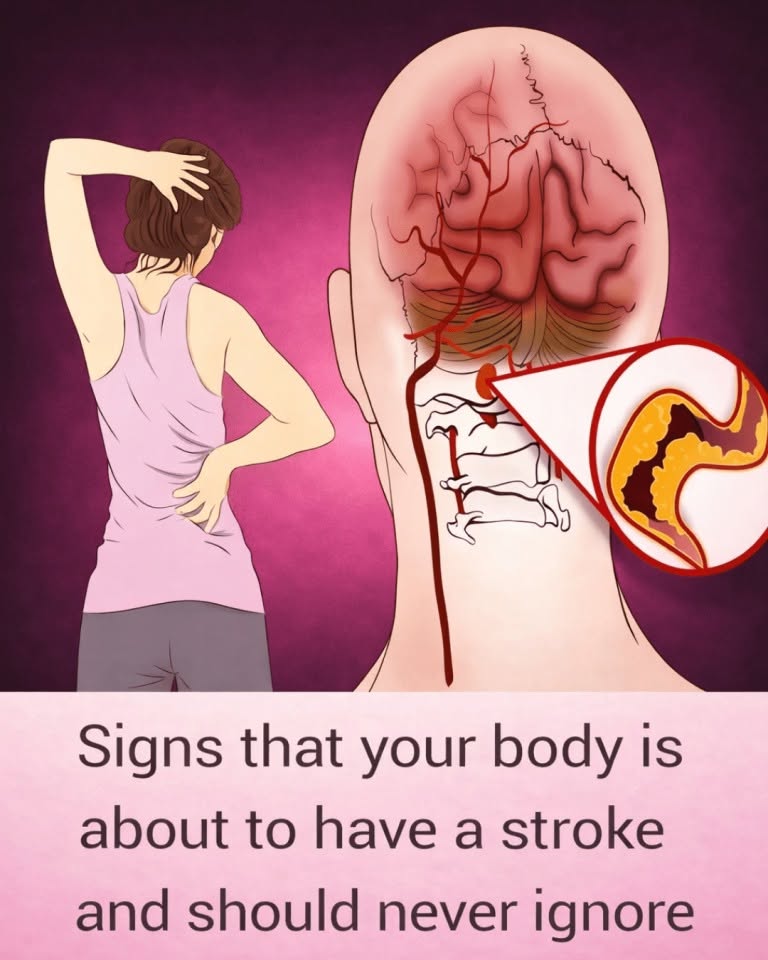
10 Early Warning Signs of a Stroke Everyone Should Know to Take Prompt Action
A stroke can happen suddenly, interrupting blood flow to the brain and potentially causing lasting damage. Sudden numbness, confusion, trouble speaking, or other unexpected changes can turn an ordinary day into a medical emergency. Recognizing possible warning signs quickly can help you seek emergency care when every second matters.
Why Recognizing Early Warning Signs of a Stroke Matters So Much
The sudden loss of independence after a stroke can have a profound impact on individuals and families. Stroke symptoms may appear abruptly and can interfere with movement, communication, vision, balance, and thinking.
Recognizing the signs quickly is important because prompt medical assessment and treatment may reduce the risk of serious complications and lasting disability.
The most important step is knowing what symptoms to watch for and what to do when they appear.
1. Sudden Weakness or
Numbness – One of the Top Warning Signs of a Stroke
Sudden weakness or numbness, particularly on one side of the body, is a common warning sign of stroke. You might notice that one arm, leg, or side of the body suddenly feels weak, heavy, or numb without an obvious explanation.
Although weakness can have many causes, a sudden unexplained change should not be dismissed as simple fatigue. Seek emergency medical attention immediately if it occurs suddenly, especially when accompanied by other possible stroke symptoms.
2. Facial Drooping – A Clear Warning Sign of a Stroke
Facial drooping can occur suddenly during a stroke, often affecting one side of the face. A person may notice that their smile appears uneven or that one side of the mouth or face does not move normally.
A quick way to check is to ask the person to smile. If one side of the face appears
to droop, treat the symptom as a medical emergency and seek help immediately.
3. Trouble Speaking or Understanding – A Key Warning Sign of a Stroke
Sudden difficulty speaking or understanding language can be an important sign of stroke. Speech may become slurred, confused, or difficult to produce, or a person may suddenly struggle to understand simple sentences.
Unexpected changes in communication should be taken seriously, particularly when they occur together with facial weakness, arm weakness, vision changes, or other sudden symptoms.
4. Sudden Vision Changes – An Important Warning Sign of a Stroke
Sudden blurry vision, double vision, or partial or complete loss of vision in one or both eyes can occur during a stroke.
These changes may be mistaken for tiredness or another temporary problem, but sudden unexplained vision loss or distortion requires urgent medical evaluation, especially when it occurs alongside other possible stroke symptoms.
5. Loss of Balance or
Coordination – A Common Warning Sign of a Stroke
Sudden difficulty walking, loss of coordination, or unexplained problems with balance can be associated with a stroke. A person may suddenly feel unsteady or have difficulty controlling their movements.
Balance problems can occur with other stroke symptoms, so a sudden and unexplained change should be treated seriously and assessed urgently.
6. Severe Headache With No Known Cause – A Possible Warning Sign of a Stroke
A sudden, unusually severe headache that is different from previous headaches can be a warning sign of certain types of stroke, particularly when it develops abruptly.
A severe headache accompanied by weakness, confusion, difficulty speaking, vision changes, vomiting, loss of consciousness, or other neurological symptoms requires immediate emergency medical attention.
7. Confusion or Cognitive Changes – Possible Warning Signs of a Stroke
Sudden confusion, disorientation, difficulty thinking clearly, or unexpected problems with memory and understanding can occur during a
stroke.
If someone suddenly becomes confused or has difficulty performing a familiar task or understanding what others are saying, do not assume that the change will resolve on its own. Seek emergency medical assistance immediately.
8. Difficulty Lifting an Arm or Leg – A Telling Warning Sign of a Stroke
Sudden difficulty lifting or keeping one arm raised can indicate weakness caused by a stroke. For example, when both arms are extended, one may drift downward because of weakness on one side.
Sudden weakness in an arm or leg is especially concerning when it occurs together with facial drooping or speech difficulties. Emergency medical evaluation should not be delayed.
9. Dizziness or Vertigo – An Overlooked Warning Sign of a Stroke
Sudden dizziness, vertigo, or difficulty maintaining balance can sometimes occur during a stroke. A person may feel as though the room is spinning or may suddenly have difficulty standing or walking.
Dizziness has many possible causes, but when it appears suddenly—particularly with weakness, speech problems, vision changes, severe headache, or coordination problems—it requires urgent assessment.
10. Mini-Stroke Symptoms (TIA) – Temporary Warning Signs That Should Not Be Ignored
A transient ischemic attack, or TIA, can cause stroke-like symptoms that disappear after a short period. Even though the symptoms may resolve, a TIA can be an important warning that a stroke may occur in the future.
Temporary symptoms such as sudden weakness, facial drooping, speech difficulties, vision problems, dizziness, or confusion still require urgent medical evaluation. Do not wait for symptoms to return before seeking help.
The FAST Rule for Spotting Warning Signs of a Stroke
One of the easiest ways to remember several major stroke warning signs is the FAST rule:
- F — Face: Ask the person to smile. Does one side of the face droop?
- A — Arms: Ask the person to raise
- both arms. Is one arm weak or drifting downward?
- S — Speech: Ask the person to repeat a simple sentence. Is their speech slurred, confused, or difficult to understand?
- T — Time: If any of these signs appear suddenly, call emergency services immediately.
Some health organizations also use the expanded BE FAST approach, which adds Balance and Eyes to help recognize sudden balance and vision problems that may occur with stroke.
What to Do if Stroke Warning Signs Appear
If you or someone else suddenly develops possible stroke symptoms, call your local emergency services immediately. Do not wait to see whether the symptoms disappear.
Note the time when the symptoms first appeared, or the last time the person was known to be well. This information can be important to medical professionals when determining appropriate treatment.
Do not drive yourself to the hospital if emergency medical services are available. Emergency responders can begin
