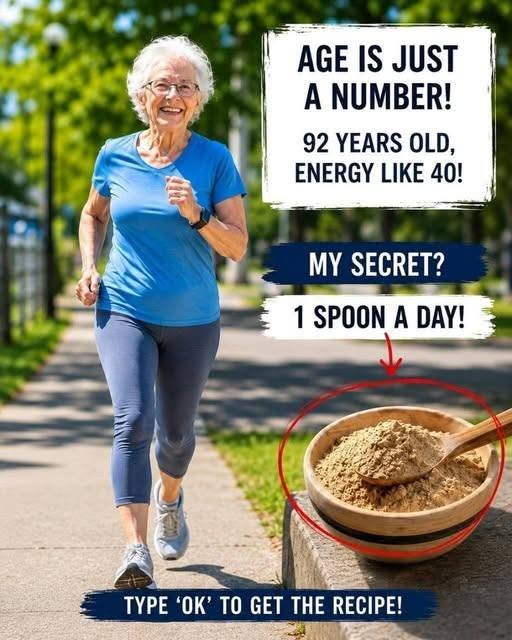
Could beetroot support healthy circulation as you age? Learn how this nitrate-rich vegetable may support blood flow, heart health, and healthy blood pressure.
SEO Keywords: blood circulation, improve blood circulation naturally, beetroot for circulation, foods for blood flow, healthy circulation, beetroot benefits, blood flow as you age
Could One Simple Food Support Better Circulation?
As people get older, maintaining healthy circulation becomes increasingly important. Good circulation helps deliver oxygen and nutrients throughout the body and supports the normal function of the heart
, brain, muscles, and other organs.
That’s why stories about exceptionally healthy older adults often attract so much attention.
You may have heard claims about a 91-year-old whose circulation supposedly resembles that of someone decades younger—and that the secret is eating one particular ingredient every day.
The ingredient often highlighted in this type of health story is beetroot,
also known simply as beets.
But is beetroot really a secret
to youthful circulation?
The answer is more nuanced.
Beetroot contains naturally occurring dietary nitrates,
which the body can convert into nitric oxide. Nitric oxide plays an important role in blood-vessel function, and research has investigated whether beetroot and beetroot juice can support blood pressure and blood flow.
The American Heart Association notes that some studies have found beetroot juice supplementation may lower blood pressure and increase blood flow.
However, beetroot isn’t a miracle cure, and there is no evidence that eating it every day literally gives a 91-year-old the circulation of a 40-year-old.
What it can do is become one useful part of an overall heart-healthy lifestyle.
Why Beetroot Is Interesting for Circulation
The bright red color of beetroot isn’t just attractive on your plate.
Beets contain plant compounds called nitrates. Once consumed, dietary nitrate can contribute to the production of nitric oxide in the body.
Nitric oxide helps regulate
blood-vessel tone. When blood vessels relax appropriately, blood can move through them more easily.
This is one reason researchers have become interested in beetroot and cardiovascular health.
The American Heart Association reports that beetroot is high in nitrates and that some research suggests beetroot juice may improve cardiovascular measures, including blood pressure and blood flow.
But it’s important to distinguish between supporting healthy circulation and treating blocked or diseased arteries.
Beetroot cannot dissolve arterial plaque, remove a blood clot, or replace medical treatment for vascular disease.
What Makes Beetroot a Nutrient-Dense Food?
Beetroot offers more than nitrates.
It also provides:
- Fiber
- Folate
- Vitamin C
- Potassium
- Plant antioxidants
- Other beneficial phytonutrients
The American Heart Association describes beets as low in calories and rich in phytonutrients, while also noting their fiber and vitamin content.
That makes whole beetroot a useful addition to a varied diet.
Instead of thinking of it as a
magical ingredient, think of it as one nutritious food that can complement other healthy choices.
How Might Beetroot Support Blood Flow?
The potential connection starts with dietary nitrate.
After nitrate-rich foods are eaten, nitrate can participate in a pathway that contributes to nitric oxide production.
Nitric oxide is involved in regulating the diameter and function of blood vessels.
When blood vessels are able to relax normally, blood flow can be supported.
This doesn’t mean that eating beetroot will immediately repair damaged arteries or cure circulation problems.
Rather, it may provide nutrients that participate in normal vascular function.
Research on beetroot juice has shown promising findings, but studies vary in their design, dosage, duration, and outcomes. That’s why it is better to describe beetroot as potentially supportive of cardiovascular health, rather than as a guaranteed treatment.
Beetroot and Healthy Blood Pressure
Blood pressure and circulation are closely connected.
Persistently high blood
pressure places additional strain on the cardiovascular system and can contribute to vascular damage over time.
Some research involving beetroot juice has reported reductions in blood pressure, which may be related in part to its nitrate content. The American Heart Association notes that studies have found beetroot juice
supplementation may lower blood pressure.
But this doesn’t mean someone with hypertension should stop taking prescribed medication and start drinking beetroot juice instead.
If you have high blood pressure, dietary changes should complement—not replace—your healthcare professional’s treatment plan.
Whole Beetroot or Beetroot Juice?
Both can be incorporated into a healthy diet, but they’re not nutritionally identical.
Whole Beetroot
Whole beets provide fiber along with their naturally occurring plant compounds.
You can:
- Roast them
- Boil them
- Steam them
- Add them to salads
- Grate them into vegetable dishes
- Blend them into dips
Beetroot Juice
Beetroot juice is a convenient way to consume beetroot, and
many studies investigating nitrate-related effects have used beetroot juice.
However, juice generally contains less fiber than whole beetroot.
For everyday eating, whole vegetables can be a particularly useful choice because they contribute fiber and help create a more filling meal.
How Much Beetroot Should You Eat?
There isn’t one universally established daily amount of beetroot that guarantees better circulation.
Research studies have used different preparations and amounts,
particularly when investigating beetroot juice.
For ordinary eating, a moderate serving of beetroot as part of a balanced diet is a reasonable approach for most people.
You don’t need to consume huge quantities to make your diet healthier.
And more isn’t automatically better.
An Easy Daily Beetroot Idea
One simple way to include beetroot is to prepare a colorful salad.
Simple Beetroot Salad
Ingredients:
- 1 small cooked beetroot
- Cucumber
- Tomato
- A handful of leafy greens
- A small amount of walnuts
- Lemon juice
- Extra-virgin
- olive oil
- Herbs or spices
- Add a small amount of olive oil and lemon juice,
then sprinkle with walnuts and herbs.This gives you more than beetroot alone. You also get vegetables, fiber, healthy unsaturated fats, and plant-based nutrients.That kind of overall dietary pattern is more important than relying on one “superfood.”Other Foods That Support a Heart-Healthy DietBeetroot doesn’t have to stand alone.The American Heart Association’s updated 2026 dietary guidance emphasizes an overall heart-healthy eating pattern rich in vegetables, fruits, whole grains, legumes, nuts,seeds, and healthy sources of protein. It also recommends replacing saturated fats with unsaturated fats and limiting added sugars, sodium, and highly processed foods.Other useful foods include:Leafy GreensSpinach, kale, lettuce, and other leafy vegetables provide fiber and a range of vitamins and minerals.BerriesBlueberries,strawberries, raspberries, and blackberries provide fiber and plant compounds while adding naturalsweetness.Beans and LentilsLegumes provide fiber and plant-based protein and are strongly featured in heart-healthy dietary patterns.Nuts and SeedsWalnuts, almonds, chia seeds, and flaxseeds provide healthy fats and other nutrients.Whole GrainsOats, barley, brown rice, and other minimally processed whole grains can be better choices than refined grains.FishFish and seafood, particularly oily fish, can provide protein and beneficial unsaturated fats.Exercise May Be Just as ImportantFood is only one part of circulation.Regular physical activity is another important factor.Walking, cycling, swimming, strength training, and other appropriate activities can help support cardiovascular fitness.The American Heart Association recommends regular physical activity as part of maintaining cardiovascular health.Even simple habits can add up.For example:- Take a walk after meals.
- Use stairs when appropriate.
- Avoid sitting for very long periods.
- Do
- gentle movement throughout the day.
- Gradually increase activity according to your fitness level.
- Leg pain or cramping during walking
- Swelling
- Persistent coldness in the feet
- Numbness or weakness
- Skin color changes
- Slow-healing wounds
- Unusual fatigue in the legs
- Severe chest pain or pressure
- Sudden shortness of breath
- Sudden weakness or numbness, especially on one side
- Sudden difficulty speaking
- Sudden confusion
- A suddenly cold, pale, or severely painful limb
