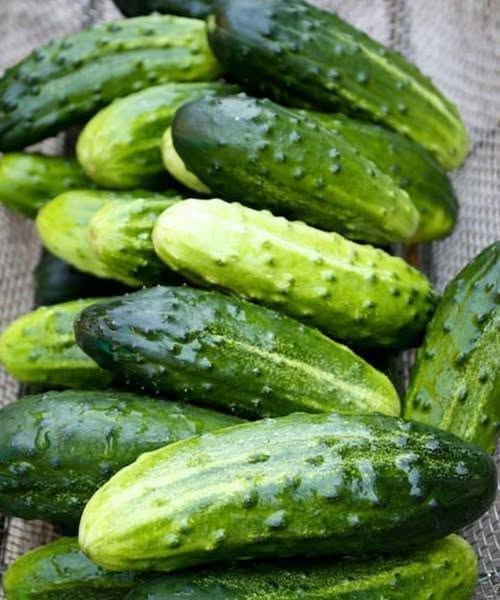
Crisp, refreshing, and naturally low in calories, cucumbers are a simple food that can add plenty of volume and hydration to a meal. Whether sliced into a salad, mixed with tomatoes and herbs, or served with yogurt, cucumbers can be an easy way to eat more vegetables.
But what actually happens when you regularly include cucumbers in your diet?
The answer is less dramatic than some viral health claims suggest, but there are several legitimate nutritional reasons to make cucumbers part of a balanced eating pattern.
1. Cucumbers Can Help You Stay Hydrated
One of the most noticeable characteristics of cucumber is its very high water content.
Raw cucumber with the peel contains roughly 95% water by weight, making it a particularly water-rich vegetable.
Eating cucumber won’t replace drinking water, especially when you’re dehydrated, but water-rich foods can contribute to your overall daily fluid intake.
This can be especially useful during warm weather when a cold cucumber salad can be both refreshing and nutritious.
2. They Add Very Few Calories
Cucumbers are naturally low in calories. Approximately 100 grams of raw cucumber with the peel provides around 15 calories.
That makes cucumber an easy ingredient for people who want meals with plenty of volume without adding large amounts of energy.
Instead of building a salad around high-calorie sauces, for example, you can use cucumber to add crunch and volume alongside leafy greens, tomatoes, beans, eggs, fish, chicken, or other nutritious foods.
3. Cucumbers Provide Some Fiber
Cucumbers contain dietary fiber, although they aren’t among the richest vegetable sources.
Keeping the peel can contribute to the fiber content. Fiber is an important part of a healthy eating pattern and supports normal digestive function.
For a more substantial high-fiber salad, combine cucumber with other fiber-rich ingredients such as beans, lentils, vegetables, seeds, or whole grains.
The overall meal matters more than any individual vegetable.
4. Cucumbers Provide Potassium
Cucumbers contain potassium, an essential mineral involved in fluid balance, nerve function, and muscle function.
Potassium-rich foods are also part of heart-healthy dietary patterns. The American Heart Association explains that potassium can help counter some of the effects of sodium and can support healthy blood-pressure management.
However, cucumber is not a concentrated potassium food compared with foods such as potatoes, beans, leafy greens, or certain fruits.
So it’s better to think of cucumber as one small contributor to your overall potassium intake rather than a treatment for high blood pressure.
5. Cucumbers Can Fit Into a Heart-Healthy Diet
One cucumber doesn’t magically protect the heart.
What matters is the overall dietary pattern.
The American Heart Association’s current dietary guidance emphasizes eating plenty of vegetables and fruits, choosing whole grains and healthy protein sources, and limiting excess sodium, added sugars, and highly processed foods.
A cucumber salad can fit very easily into this type of eating pattern.
For example, try combining:
- Cucumber
- Tomatoes
- Leafy greens
- Chickpeas
- Fresh herbs
- Olive oil
- Lemon juice
- A small amount of unsalted seeds
This creates a much more nutritionally complete meal than eating cucumber alone.
6. Cucumbers Can Help Make Salads More Filling
Cucumber contains a lot of water and provides some fiber while contributing relatively few calories.
Adding it to a meal can increase the amount of food on your plate without dramatically increasing calories.
This can be useful for people who enjoy larger portions but are trying to build a balanced diet.
Of course, what you put on the cucumber matters too.
A salad covered in large amounts of creamy dressing, cheese, processed meat, or salty toppings can become considerably higher in calories and sodium.
7. The Peel Contains Nutrients Too
Many people automatically peel cucumbers.
But the peel is edible and contributes nutrients and fiber. Raw cucumber nutrition data show that cucumber with the peel contains fiber, potassium, magnesium, vitamin K, and other nutrients.
If you enjoy the texture and the cucumber has been properly washed, leaving the peel on can be a simple way to minimize food waste and retain more of the vegetable.
For commercially prepared or waxed cucumbers, wash them thoroughly before eating.
8. Cucumbers Are a Convenient Way to Eat More Vegetables
One of the biggest benefits of cucumbers may be very simple: they make it easy to eat more vegetables.
The American Heart Association recommends a dietary pattern rich in vegetables and fruits and encourages people to eat a variety of colors and types.
Cucumber can be added to:
- Green salads
- Sandwiches
- Wraps
- Grain bowls
- Yogurt sauces
- Vegetable platters
- Cold soups
- Homemade salsa
- Mediterranean-style salads
Variety is important because different vegetables provide different combinations of nutrients and plant compounds.
9. Cucumbers Are Especially Good in a Balanced Salad
9. Cucumbers Are Especially Good in a Balanced Salad
A cucumber salad can become much more nutritious when you combine ingredients strategically.
Try this simple combination:
Ingredients:
- 1 large cucumber
- 2 tomatoes
- A handful of fresh parsley
- ¼ small red onion
- 1 tablespoon extra-virgin olive oil
- Fresh lemon juice
- Black pepper
- A small amount of salt
Directions
- Wash the vegetables thoroughly.
- Slice the cucumber and tomatoes.
- Finely chop the onion and parsley.
- Combine everything in a bowl.
- Add olive oil and lemon juice.
- Season lightly.
- Toss and serve immediately.
The important point is to avoid turning a naturally low-sodium vegetable into a high-sodium meal through excessive salt, salty cheese, processed meats, or heavily salted dressings.
10. Watch the Salt in Pickled Cucumbers
Fresh cucumber and pickled cucumber are not nutritionally identical.
Pickled cucumbers can contain substantial amounts of sodium depending on the recipe and preparation method.
This matters because excessive sodium intake can contribute to higher blood pressure. The American Heart Association recommends limiting sodium as part of a heart-healthy dietary pattern.
If you enjoy pickles, check the nutrition label and consider lower-sodium varieties when appropriate.
11. What Cucumbers Cannot Do
Social media sometimes presents cucumbers as a cure-all food.
There isn’t good evidence that simply eating cucumber will:
- Detoxify the body
- Melt belly fat
- Cure diabetes
- Cure high blood pressure
- Remove toxins from the bloodstream
- Prevent every form of disease
- Dramatically accelerate metabolism
Your liver, kidneys, lungs, and other systems already perform the body’s normal waste-processing functions.
Cucumbers can be nutritious, but they should be viewed as one part of an overall healthy diet, not as a miracle treatment.
12. Who Should Be Careful?
For most people, cucumbers are a perfectly reasonable food.
However, people with specific medical conditions may need individualized dietary advice.
For example, people with kidney disease may need to manage their potassium intake depending on their kidney function and treatment. The American Heart Association notes that excess potassium can be problematic for people with kidney disease or certain medical conditions and medications.
Anyone with a medically prescribed diet should follow their healthcare professional’s recommendations rather than assuming that a particular food is automatically appropriate.
13. How Often Should You Eat Cucumbers?
There is no medically established requirement to eat cucumbers every day.
You can include them whenever you enjoy them.
The bigger goal is to eat a wide variety of vegetables and fruits rather than relying on one particular food.
For example, rotate cucumbers with:
- Tomatoes
- Carrots
- Broccoli
- Spinach
- Bell peppers
- Cabbage
- Cauliflower
- Green beans
- Squash
Frequently Asked Questions
Are cucumbers healthy to eat every day?
For most people, cucumbers can easily be included in a daily diet. They are water-rich, low in calories, and provide some fiber and micronutrients.
Do cucumbers lower blood pressure?
Cucumbers contain potassium, and potassium-rich dietary patterns can support healthy blood-pressure management. However, eating cucumber alone should not be considered a treatment for hypertension.
Is it better to eat cucumber with the peel?
The peel is edible and contributes nutrients and fiber. If you enjoy it, leaving the peel on can be a nutritious choice. Wash the cucumber thoroughly first.
Are cucumbers good for weight management?
They can be useful because they provide lots of water and relatively few calories. However, healthy weight management depends on the overall diet, physical activity, sleep, and other factors—not one particular vegetable.
Are pickles as healthy as fresh cucumbers?
Not necessarily. Pickling can substantially increase sodium, depending on the preparation. If you’re watching your sodium intake, check the nutrition label and choose lower-sodium options when possible.
Can cucumber replace drinking water?
No. Cucumbers can contribute to your overall fluid intake, but they should complement—not replace—adequate drinking water.
The Bottom Line
Cucumbers aren’t a miracle food, but they are an easy, nutritious addition to a balanced diet.
Their high water content, low calorie content, edible peel, and contribution of fiber and micronutrients make them particularly useful in salads and other meals.
The biggest health benefit comes when cucumbers are part of a broader eating pattern rich in vegetables, fruits, whole grains, legumes, nuts, seeds, and other minimally processed foods. Current American Heart Association guidance continues to emphasize this overall dietary pattern for cardiovascular health.
So the next time you add a handful of fresh cucumber slices to your salad, you can enjoy them for what they really are: a refreshing, hydrating, low-calorie vegetable that fits beautifully into a healthy diet.
