You’ve probably had this moment before: standing up from a chair in front of family, pretending everything is fine… while inside, your knees feel stiff, weak, and unreliable. It’s frustrating, and it can even feel a little embarrassing, especially when something as simple as walking becomes uncomfortable.
The truth is, ignoring persistent knee symptoms can sometimes contribute to worsening mobility problems over time. However, small daily habits—including what you eat—may help support joint health, overall nutrition, and physical function.
Why Knee Discomfort Gets Worse With Age (And What Most People
Miss)
As we age, our joints can undergo gradual changes. Cartilage, the smooth tissue that helps cushion the ends of bones inside the knee, may become thinner or less resilient over time.
But age is only one part of the picture.
Many everyday habits can also influence overall joint and mobility health, including:
- Sitting for long periods without enough movement
- Not consuming enough protein or other essential nutrients
- Not drinking enough fluids
- Frequently choosing foods with limited nutritional value
- Lack of regular physical activity
- Changes in body weight that place
- additional stress on the knees
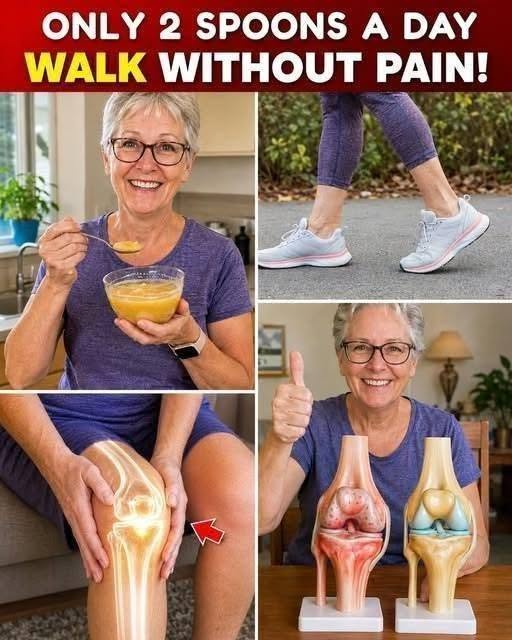
- that has been shown to rebuild damaged knee cartilage overnight or restore cartilage in just 24 hours.Some of these claims appear to be inspired by foods containing collagen, gelatin, or amino acids, including:
- Bone broth
- Gelatin-based foods
- Slow-cooked meats containing connective tissue
- immediately becomes new cartilage. The body digests dietary proteins into smaller components before using them according to its biological needs.Consistency matters more than a specific quantity. Rather than focusing on “two spoons” of one particular food, it is more useful to consider the overall quality and variety of the diet.Instead of searching for one food that promises instant cartilage regeneration, it is more realistic to focus on a balanced dietary pattern that supplies protein, healthy fats, vitamins, minerals, fiber, and other nutrients needed for overall health.The real
- question is not which single food can transform your knees overnight, but which everyday foods can contribute to a stronger nutritional foundation for mobility and joint health.
Foods That May Support Joint Comfort and Overall HealthRather than relying on a so-called miracle food, a varied diet can provide a broader range of nutrients that support normal body function.Food TypeWhy It May HelpEasy Way to UseFatty fish such as salmon and sardinesRich in omega-3 fatty acids and provides high-quality proteinInclude in meals several times per weekLeafy greensProvide vitamins, minerals, fiber, and antioxidant compoundsAdd to soups, salads, omelets, or stir-friesBone brothCan provide protein and collagen-related compoundsUse as part of soups or other mealsNuts and seedsProvide healthy fats, protein, minerals, and other nutrientsUse small portions as a snack or add to mealsTurmeric and gingerContain naturally occurring plant compounds and can add flavor to mealsAdd to cooking, soups, or suitable beveragesDiets that emphasize nutrient-dense foods, adequate protein, vegetables, fruits, whole grains, legumes, nuts, seeds,per weekLeafy greensProvide vitamins, minerals, fiber, and antioxidant compoundsAdd to soups, salads, omelets, or stir-friesBone brothCan provide protein and collagen-related compoundsUse as part of soups or other mealsNuts and seedsProvide healthy fats, protein, minerals, and other nutrientsUse small portions as a snack or add to mealsTurmeric and gingerContain naturally occurring plant compounds and can add flavor to mealsAdd to cooking, soups, or suitable beveragesDiets that emphasize nutrient-dense foods, adequate protein, vegetables, fruits, whole grains, legumes, nuts, seeds,and sources of healthy fats can contribute to overall health. Some dietary patterns may also support a healthy inflammatory balance.Why Protein Matters as We AgeProtein is particularly important for maintaining muscle mass and physical function. Strong muscles help support the joints and can contribute to stability and mobility.Older adults may be at increased risk of losing muscle mass, especially when physical activity and protein intake are inadequate. Including appropriate sources of protein throughout the day can therefore be an important part of a healthy eating pattern.Good
