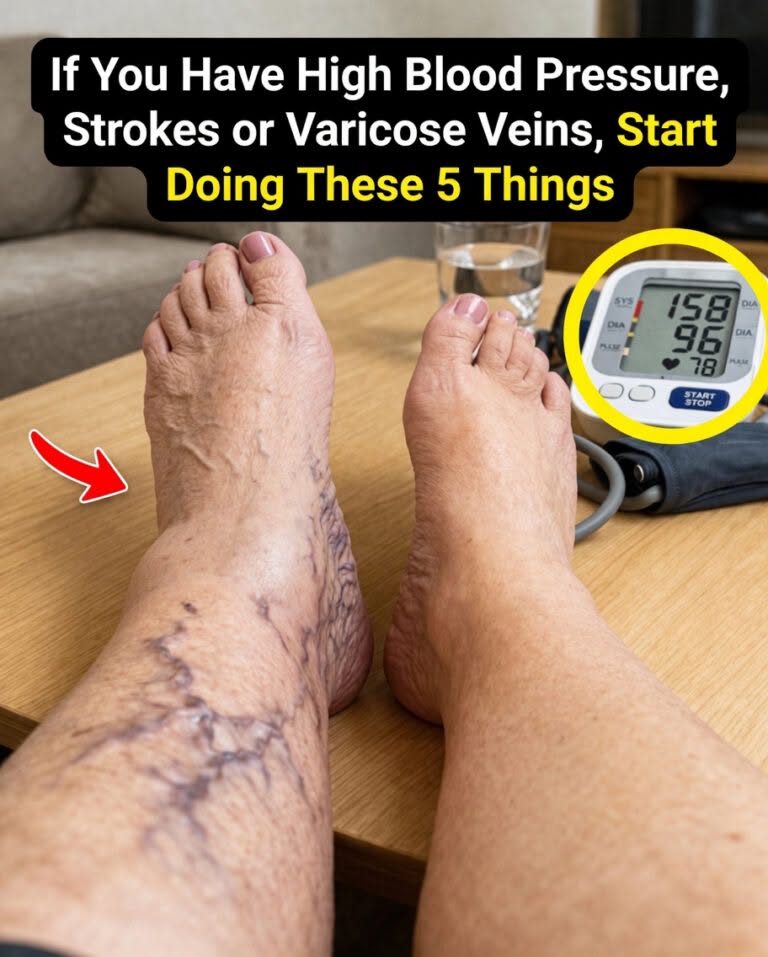
High blood pressure often develops without obvious warning signs.
You may feel completely normal while elevated blood pressure gradually puts extra stress on your arteries, heart, kidneys, and other organs.
The good news is that everyday habits can make a meaningful difference.
Current cardiovascular guidelines recommend lifestyle measures such as a heart-healthy diet, regular physical activity, reducing sodium, maintaining a healthy weight, managing stress, and limiting alcohol as important parts of preventing and managing high blood pressure.
Here are five simple habits you can start working into your routine.
- Walk
- and Move More Throughout the Day
Your circulatory system benefits from movement.
Regular physical activity helps the heart work more efficiently and can help lower and control blood pressure. Even relatively small amounts of movement are better than remaining inactive.
You don’t necessarily need an intense workout.
Try a brisk walk, gardening, light cycling, household activities, or another form of exercise appropriate for your health and mobility.
If you spend much of your day sitting, make a habit of getting up periodically and moving your legs.
The current U.S.
hypertension guideline recommends at least 150 minutes of moderate physical activity per week, along with resistance exercise at least twice weekly when appropriate.
If you’re older, have heart disease, or haven’t exercised for a long time, ask your healthcare professional what level of activity is appropriate before beginning a demanding exercise program.
- Reduce Excess Sodium
You don’t need to completely eliminate salt from your diet.
But regularly eating too much sodium can contribute to higher blood pressure, especially in people who are salt-sensitive.
A large amount of dietary sodium doesn’t
come from the salt shaker—it comes from processed and prepared foods.
Common sources include packaged meals, deli meats, pizza, soups, sandwiches, salty snacks, sauces, and restaurant foods.
One useful habit is simply to check the sodium number on food labels.
The 2025 hypertension guideline recommends keeping sodium below 2,300 mg per day, moving toward an ideal limit below 1,500 mg per day for blood-pressure prevention and treatment.
Individual recommendations can vary, so follow your healthcare provider’s advice if you’ve been given a specific target.
