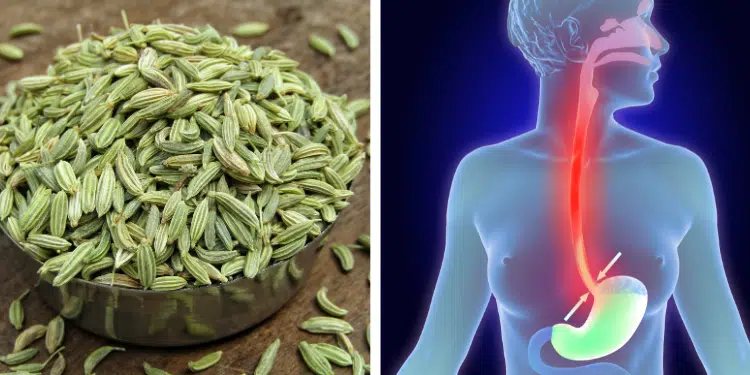
Fennel seeds sit quietly in kitchen cabinets, used occasionally in bread, tea, or spice blends, and then forgotten for months.
Most people think of them as nothing more than a digestive aid or a flavoring for food. Very few realize that for thousands of years, fennel seeds were considered a powerful medicinal remedy in traditional healing systems across India, the Middle East, China, and Europe.
Ancient physicians used fennel seeds not just for digestion, but for bloating, hormonal balance, respiratory health, inflammation, circulation, metabolic support, and even emotional calm.
In Ayurveda and traditional Persian medicine, fennel was called a “cooling seed” because of its ability to soothe inflamed tissues, calm spasms, and restore internal balance.
Modern science now confirms what traditional healers already knew. Fennel seeds contain a unique mix of essential oils, antioxidants, flavonoids, and anti-inflammatory compounds that influence digestion, nerve signaling, microbial balance, hormone regulation, and immune function.
What makes fennel seeds remarkable isn’t that they help one or two problems. They work across multiple body systems at once, which is why they’ve been trusted for so many everyday discomforts.
Here are 13 common discomforts fennel seeds have traditionally helped ease, why they work so well, and why this overlooked seed deserves a permanent place in your daily routine.
Why Fennel Seeds Are Medicinally Powerful
Fennel seeds come from the fennel plant (Foeniculum vulgare). Their healing power comes from essential oils, flavonoids, phenolic compounds, and antioxidant nutrients.
Some of their most important bioactive compounds include:
• Anethole – antispasmodic, estrogen-modulating, digestive support
• Fenchone – antimicrobial, digestive stimulant
• Estragole – anti-inflammatory, carminative
• Flavonoids – antioxidant protection
• Fiber – gut microbiome support
This unique chemical profile allows fennel seeds to support digestion, hormonal balance, inflammation control, respiratory health, circulation, and nervous system balance at the same time.
That’s why they feel like a multi-system remedy rather than a single-purpose herb.
1. Bloating and Gas
One of the most famous uses of fennel seeds is for bloating and gas.
They relax intestinal muscles and prevent spasms that trap gas in the gut. They also stimulate digestive enzyme production and bile flow, helping the body break down food more efficiently.
Chewing fennel seeds after meals is an ancient remedy for flatulence and abdominal discomfort.
2. Indigestion and Slow Digestion
Fennel seeds improve gastric motility and stimulate digestive secretions. They help food move more smoothly through the stomach and intestines.
This reduces feelings of heaviness, nausea, and post-meal discomfort. That’s why fennel tea is commonly used for indigestion.
3. Acid Reflux and Heartburn
Fennel seeds help regulate stomach acid production. They calm the stomach lining and reduce inflammation. Regular use supports smoother digestion and fewer reflux symptoms.
4. Menstrual Cramps
Fennel seeds contain estrogen-modulating and antispasmodic compounds. They relax uterine muscles and reduce prostaglandin-driven contractions.
Many women report milder cramps and reduced bloating with regular fennel use.
5. PMS and Hormonal Imbalance
Fennel seeds influence estrogen metabolism and hormonal signaling. They reduce water retention, mood swings, and breast tenderness.
This makes them valuable for hormonal balance support.
6. Colic in Infants
Fennel seed tea has been used for centuries for infant colic. It relaxes intestinal spasms and reduces gas.
This helps calm crying and abdominal discomfort in babies.
7. Cough and Bronchial Congestion
Fennel seeds contain expectorant compounds. They thin mucus and reduce airway inflammation.
Fennel tea is traditionally used for cough, bronchitis, and chest congestion.
8. Bad Breath
Fennel seeds kill oral bacteria. They stimulate saliva production.
They leave a fresh, sweet aroma in the mouth. This is why fennel seeds are traditionally chewed after meals.
9. Constipation
Fennel seeds improve gut motility. They stimulate bile production.
They increase stool softness. This supports regular bowel movements.
10. Inflammatory Pain
Fennel seeds reduce inflammatory signaling. They suppress prostaglandins.
They improve circulation. This helps ease joint pain, headaches, and muscle soreness.
11. Water Retention
Fennel seeds act as a mild diuretic. They support lymphatic drainage.
They reduce fluid retention and bloating.
12. Blood Sugar Fluctuations
Fennel seeds improve insulin sensitivity. They reduce post-meal glucose spikes. They support metabolic balance.
13. Low Milk Supply in Nursing Mothers
Fennel seeds stimulate prolactin production. They support milk flow.
They are traditionally used as a galactagogue.
Why Fennel Seeds Don’t Irritate the Stomach
Unlike harsh digestive remedies, fennel seeds soothe the gut lining. They reduce spasms and inflammation.
They support beneficial gut bacteria. This makes them gentle enough for daily use.
Why Fennel Seeds Feel Subtle but Work Deeply
- Fennel seeds don’t create dramatic sensations.
- They restore balance gradually.
- They improve digestion, inflammation control, and hormonal signaling over time.
- That’s why people often say: “I didn’t feel much at first… then suddenly everything felt better.”
Best Ways to Use Fennel Seeds
There are several simple ways to use fennel seeds.
- Chew ½–1 teaspoon after meals
- Fennel seed tea
- Fennel water
- Add to food
Consistency matters more than form.
How Much Fennel Seed Is Enough
For daily support:
- ½–1 teaspoon fennel seeds
or - 1–2 cups fennel tea
More is not better.
Who Should Use Fennel Seeds Carefully
Avoid or consult a doctor if you:
• Are pregnant
• Have hormone-sensitive conditions
• Take estrogen therapy
• Have bleeding disorders
• Are allergic to carrots, celery, or parsley
Fennel seeds are far more than a digestive spice. They are one of the most powerful forgotten natural remedies in the kitchen.
